
Have Catastrophe Models Reached a Point of Overengineering?
Growing complexity in catastrophe models can reduce accuracy by creating blind spots and overreliance. A disciplined, consistent approach helps preserve clarity and better risk decisions.

Growing complexity in catastrophe models can reduce accuracy by creating blind spots and overreliance. A disciplined, consistent approach helps preserve clarity and better risk decisions.

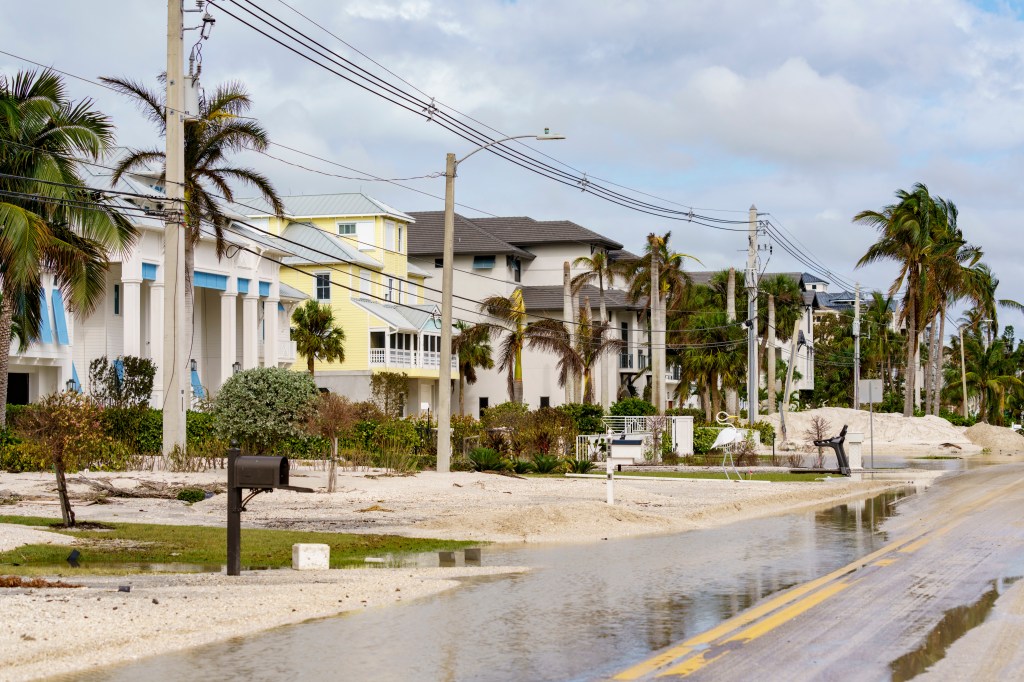
Juniper Re’s analysis shows Hurricane Milton claim estimates were within 5% of final totals, demonstrating how early catastrophe analytics improve reserving and decision-making.

Catastrophe modeling is evolving, demanding more transparency, clearer assumptions, and stronger insight into frequency perils. As Adam Miron explains, insurers can no longer rely on black-box models — they need visibility that matches the pace of today’s risks.

Southern California wildfires leave soils water-repellent, raising flash flood and mudslide risks this winter—homeowners and insurers must reassess flood exposure now.

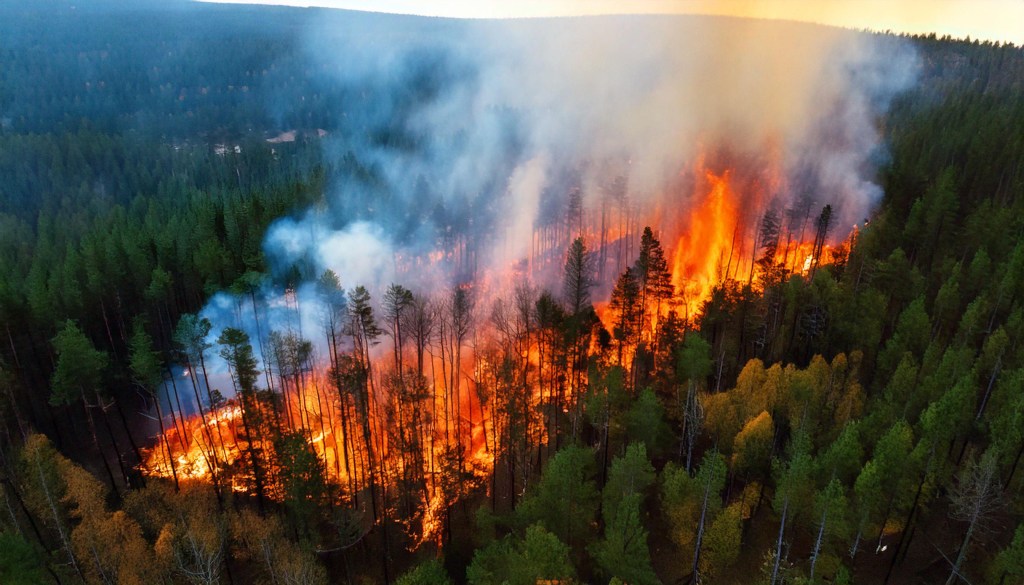
Wildfire risk modeling: Juniper Re and CAPE® Analytics leverage defensible space and Firewise USA® status to slash loss estimates and boost underwriting precision.

One week post landfall, 44% of residential property claims are reported for Hurricane Milton.

Juniper Re data shows 60% more wind exposure from Hurricane Helene than NOAA, with key differences in land impact across Florida and South Carolina.

Discover how Juniper Re’s refined wind data outperforms NOAA’s, improving hurricane risk accuracy and exposure planning for insurers.

Fantasy football drafts & catastrophe risk selection share key tactics—apply model adjustments, competitor insights, and dynamic monitoring for a real edge.

Juniper Re strengthens its catastrophe analytics platform with CAPE Analytics’ AI-driven property intelligence, delivering enhanced risk modeling and underwriting precision.